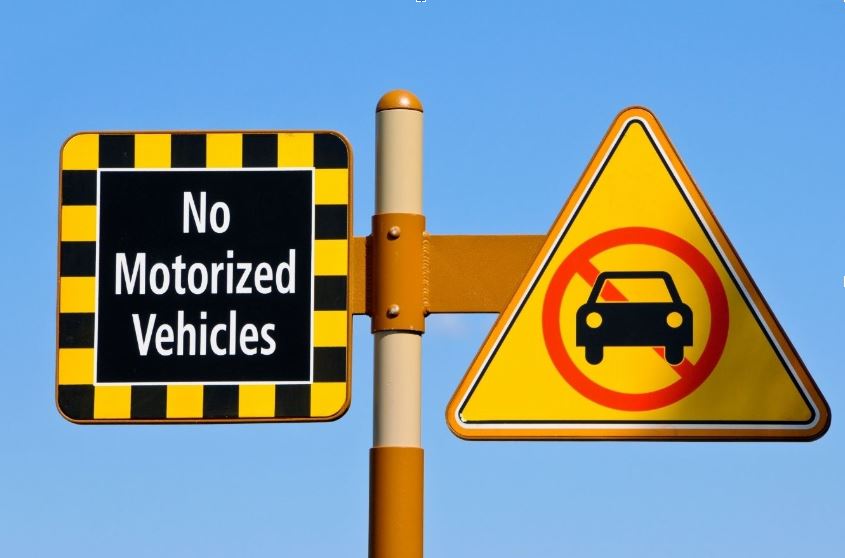
Quick Overview A No Motor Vehicles sign is a traffic regulation that prohibits motorized vehicles from entering designated areas. It helps protect pedestrians, cyclists, wildlife, and private property while ensuring safety and reducing congestion. This blog will walk you through:
✅ What the No Motor Vehicles sign means and its legal basis.
✅ Common locations where the sign is used, from pedestrian zones to nature reserves.
✅ Legal implications and potential penalties for ignoring the sign.
✅ Exceptions, including emergency vehicles and resident access.
✅ How property owners can prevent trespassing using signage, barriers, and enforcement.
✅ Tips for staying compliant and avoiding fines or legal issues.
✅ Why understanding these signs is essential for safe and responsible driving.
The No Motor Vehicles sign is a commonly seen traffic regulation sign that restricts motorized vehicles from entering specific areas. Whether placed on private property, pedestrian zones, nature trails, or restricted roads, this sign helps prevent trespassing, environmental damage, and safety hazards.
Understanding where and why these signs are used can help drivers comply with the law, avoid penalties, and promote safe and responsible driving. This guide explains the purpose, meaning, legal implications, and enforcement of No Motor Vehicles signs.
What Does the No Motor Vehicles Sign Mean?
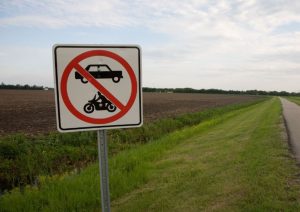
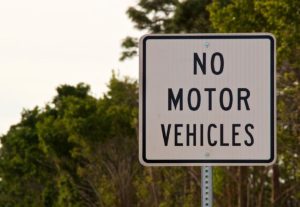
A No Motor Vehicles sign indicates that motorized vehicles (such as cars, motorcycles, mopeds, and trucks) are not allowed in a specific area.
Visual Appearance of the Sign
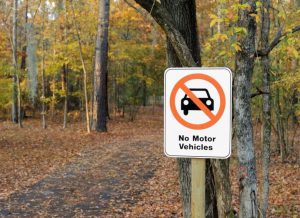
- Circular shape with a red border – Standard regulatory prohibition sign.
- Symbol of a car and motorcycle inside the red circle – Depicts banned vehicle types.
- May have additional text – Some versions include clarifications like “Except for Access” or “Authorized Vehicles Only”.
Fact: These signs are legally enforceable under UK Highway Code Rule 141, preventing unauthorized vehicles from entering restricted zones.
Optimizing Driving Skills for Safety and Efficiency: Master the Road with Confidence!
Where Are No Motor Vehicle Signs Used?
Pedestrian and Cycling Zones
- Found in city centres, parks, and recreational paths.
- Ensures safety for pedestrians, cyclists, and joggers.
- Motorized access is usually restricted at all times.
Example: Many UK cities have pedestrian-only streets where only bicycles and e-scooters are allowed.
Private Roads and Residential Areas
- Used by landowners and gated communities to prevent trespassing.
- Some areas allow residents or emergency vehicles only.
- Helps reduce traffic, noise, and accidents in housing areas.
Example: Private estates often place No Motor Vehicles signs at entry points.
Nature Reserves and Rural Areas
- Protects wildlife, walking trails, and natural habitats.
- Prevents soil erosion and pollution from vehicle emissions.
- Usually allows bicycles, horses, and pedestrians only.
Example: The UK National Parks have strict vehicle restrictions on certain trails.
Restricted Business and Industrial Zones
- Found near factories, loading docks, and warehouse areas.
- Prevents unauthorized vehicle access and security risks.
- Often used for employee safety and controlled traffic flow.
Example: Many logistics centres restrict personal vehicles to avoid congestion and accidents.
Legal Implications of No Motor Vehicles Signs
Is It Illegal to Ignore a No Motor Vehicles Sign?
- Yes! Ignoring a No Motor Vehicles sign can result in fines, penalties, or legal action, depending on location and severity.
- Private property owners can file trespassing complaints against unauthorized vehicles.
Who Enforces These Restrictions?
- Local Councils & Police – Enforce rules on public roads and pedestrian zones.
- Landowners & Private Security – Control access to private roads and properties.
- CCTV & ANPR Cameras – Some areas use automatic number plate recognition (ANPR) to detect violators.
Tip: Always check additional sign markings (e.g., “Except for Permit Holders”) to avoid unintended violations.
How to Prevent Trespassing with No Motor Vehicles Signs
If you’re a property owner or manager trying to prevent unauthorized vehicle access, consider the following:
Use Additional Signage
- “Private Road – No Motor Vehicles” clarifies ownership.
- “Authorized Vehicles Only” prevents confusion for visitors.
- “CCTV in Operation” acts as a deterrent for trespassers.
Install Physical Barriers
- Bollards and Gates – Effective for blocking vehicle access while allowing pedestrians through.
- Chain Barriers – Used for temporary restrictions on entry roads.
- Speed Bumps – Slow down unauthorized vehicles and discourage access.
Enforce Penalties for Trespassers
- Issue fines or warning notices for unauthorized vehicles.
- Use ANPR cameras to track repeat offenders.
- Contact local authorities if trespassing persists.
Tip: Always ensure signage is clearly visible to avoid confusion or disputes.
Frequently Asked Questions (FAQs)
Can Emergency Vehicles Ignore No Motor Vehicles Signs?
- Yes. Police, ambulances, and fire services are exempt in emergencies.
Can Cyclists Enter Areas with a No Motor Vehicles Sign?
- Yes, unless otherwise stated. Bicycles are not classified as motor vehicles, so they are usually allowed.
- Look for additional signage specifying bicycle restrictions.
Can I Drive Through a No Motor Vehicles Area If I Live There?
- If the sign states “Except for Access”, residents and deliveries are usually allowed.
- Always check local traffic regulations or permit requirements.
What Happens If I Ignore a No Motor Vehicles Sign?
- Fines & Penalties – Local councils may issue on-the-spot fines or penalty charge notices (PCNs).
- Trespassing Charges – Private property owners may take legal action against unauthorized access.
- Towing & Clamping – Vehicles violating restrictions may be towed in some areas.
Tip: If you receive a fine, check if you have grounds to appeal based on unclear signage.
Optimizing Driving Skills for Safety and Efficiency: Master the Road with Confidence!
Conclusion
The No Motor Vehicles sign plays a crucial role in preventing unauthorized vehicle access, reducing congestion, and ensuring pedestrian safety. Understanding and respecting these signs helps avoid fines, legal issues, and accidents, whether on public roads, private property, or protected nature areas.
Key Takeaways:
- No Motor Vehicles signs restrict cars, motorcycles, and other motorized transport.
- Common locations include pedestrian zones, private roads, parks, and industrial sites.
- Trespassing violations can lead to fines, legal action, or vehicle removal.
- Property owners can enforce restrictions using barriers, ANPR cameras, and security patrols.
Final Tip: Always be aware of road signs and traffic regulations—ignoring a No Motor Vehicles sign could lead to unnecessary legal trouble!
← Previous
How to Pass Functional Skills Exam in Math Level 1
Next →
When Was the First Car Made: Reveal the History of Cars

About the Author
QJb9zXyCKzOCOye
Professional educator and content writer at StudyMate Central, helping UK professionals advance their careers.