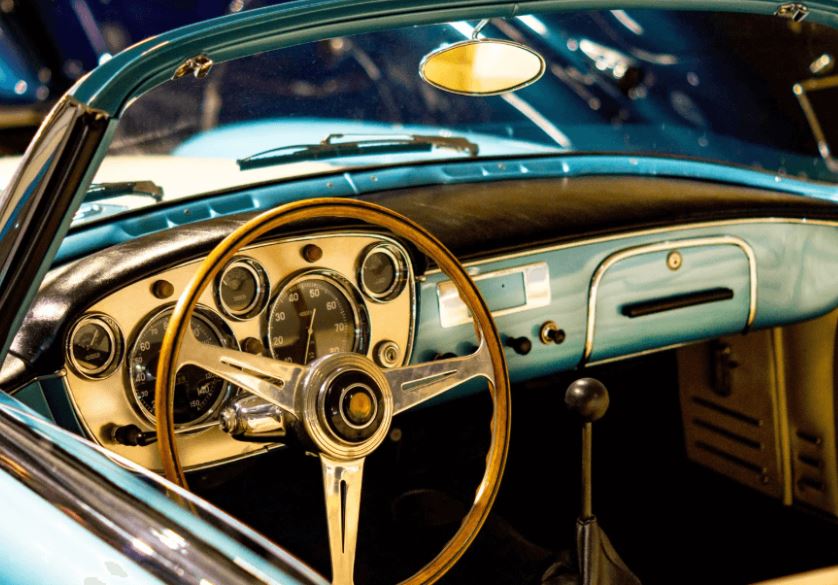

Motor vehicles are an essential part of modern transportation, offering convenience, speed, and efficiency for daily commutes, long-distance travel, and industrial applications. But have you ever wondered what makes up a motor vehicle?
Every car, truck, or motorcycle consists of multiple main sections, each playing a crucial role in its operation, safety, and efficiency. Understanding these components can help vehicle owners with better maintenance, improved performance, and safer driving experiences.
In this guide, we will explore the main sections of a motor vehicle, their functions, and why they are essential for smooth vehicle operation.
Chassis (Frame) – The Backbone of the Vehicle
The chassis, also known as the vehicle frame, is the foundation upon which all other parts of the car are built. It serves as the structural support for various components, ensuring stability and durability.
Functions of the Chassis:
- Supports the engine, transmission, suspension, and bodywork.
- Provides rigidity and structural integrity, preventing the vehicle from bending under stress.
- Helps in absorbing impact during collisions for enhanced safety.
Types of Vehicle Chassis:
- Ladder Frame Chassis – Common in trucks and SUVs for durability.
- Monocoque Chassis – Used in modern passenger cars for better weight distribution and fuel efficiency.
- Backbone Chassis – Found in some sports cars and lightweight vehicles.
The chassis is what holds everything together, making it one of the most critical sections of a motor vehicle.
Complete Our Online Automotive Technology and Maintenance Course!
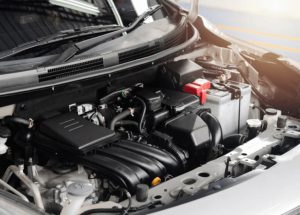
Engine – The Heart of the Vehicle
The engine is the powerhouse of any motor vehicle, converting fuel into mechanical energy to propel the car forward.
Key Engine Components:
- Cylinders & Pistons – Create combustion to generate power.
- Crankshaft & Camshaft – Convert motion for smooth operation.
- Fuel Injection System – Supplies fuel to the engine efficiently.
- Cooling System (Radiator, Coolant, Fan) – Prevents the engine from overheating.
Types of Engines in Motor Vehicles:
- Internal Combustion Engine (ICE) – Petrol or diesel-powered engines.
- Electric Motor – Found in electric vehicles (EVs), powered by batteries.
- Hybrid Engines – Combination of fuel and electric power.
The engine is often called the heart of the vehicle, as it determines performance, power output, and fuel efficiency.
Transmission System – Power Control and Efficiency
The transmission system is responsible for transferring power from the engine to the wheels, ensuring smooth acceleration and control.
Types of Transmission Systems:
- Manual Transmission (MT) – Driver-controlled gear shifting for better performance.
- Automatic Transmission (AT) – Self-adjusting gears for easier driving.
- Continuously Variable Transmission (CVT) – Seamless shifting for fuel efficiency.
- Dual-Clutch Transmission (DCT) – Combines manual and automatic for high performance.
The transmission system determines how power is delivered, affecting speed, fuel efficiency, and driving comfort.
Suspension System – Smooth and Stable Ride
A vehicle’s suspension system absorbs shocks and provides stability, making driving comfortable and safe.
Key Components of Suspension:
- Shock Absorbers & Struts – Reduce vibrations from the road.
- Springs & Coilovers – Support the vehicle’s weight and maintain balance.
- Control Arms & Stabilizer Bars – Improve cornering and handling.
Without a well-functioning suspension system, the vehicle would feel unstable, bumpy, and difficult to control.
Steering System – Directional Control
The steering system allows the driver to control the vehicle’s direction with precision.
Main Steering System Types:
- Manual Steering – Requires physical effort to turn the wheels.
- Power Steering – Uses hydraulic or electric assistance for easier control.
- Rack and Pinion System – Common in modern cars for smooth steering.
A responsive and well-maintained steering system ensures driver safety, vehicle maneuverability, and driving comfort.
Braking System – Stopping Power & Safety
The braking system is one of the most vital components for vehicle safety, allowing the driver to slow down or stop the car efficiently.
Types of Vehicle Brakes:
- Disc Brakes – Provide better stopping power and are common in modern cars.
- Drum Brakes – Used in older vehicles or rear-wheel braking systems.
- Anti-Lock Braking System (ABS) – Prevents wheel lock-up during emergency stops.
- Electronic Brake Distribution (EBD) – Distributes braking force to different wheels for stability.
A well-functioning braking system ensures quick response time and prevents accidents.
Electrical and Electronic System – The Brain of the Vehicle
Modern vehicles come equipped with complex electrical and electronic systems that enhance safety, performance, and comfort.
Key Electrical Components:
- Battery & Alternator – Power the vehicle’s electrical functions.
- Lights (Headlights, Indicators, Brake Lights) – Essential for visibility and communication on the road.
- Infotainment & Navigation Systems – Provide entertainment and real-time location tracking.
- Sensors & Safety Features – Including airbags, lane departure warnings, and traction control.
The electrical system has become more advanced with the rise of smart vehicles and automation, improving driving efficiency and security.
Exhaust System – Emission Control and Noise Reduction
The exhaust system removes harmful gases produced by the engine while minimizing noise.
Main Parts of the Exhaust System:
- Muffler – Reduces engine noise.
- Catalytic Converter – Converts toxic emissions into safer gases.
- Exhaust Pipe – Directs gases safely out of the vehicle.
A well-maintained exhaust system ensures that the vehicle runs efficiently and remains environmentally friendly.
Fuel System – Powering the Engine
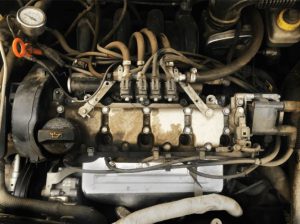
The fuel system is responsible for delivering the right amount of fuel to the engine for combustion.
Fuel System Components:
- Fuel Tank – Stores petrol or diesel.
- Fuel Pump – Sends fuel to the engine.
- Fuel Injectors – Precisely distribute fuel into the combustion chamber.
Modern cars also have fuel efficiency technologies, such as direct fuel injection and hybrid powertrains, to reduce fuel consumption.
Wheels and Tires – Road Contact and Performance
Wheels and tires play a crucial role in a vehicle’s traction, stability, and handling.
Types of Tires Based on Driving Conditions:
- All-Season Tires – Suitable for general use.
- Winter Tires – Provide better grip in icy conditions.
- Performance Tires – Designed for sports cars and high-speed driving.
- Off-Road Tires – Built for rough terrains and 4×4 vehicles.
Regular tire maintenance ensures better fuel efficiency, road safety, and smooth driving.
Complete Our Online Automotive Technology and Maintenance Course!
Final Thoughts
A motor vehicle is a complex machine made up of multiple essential sections, each serving a specific function. From the chassis and engine to the steering, braking, and electrical systems, every part contributes to a safe, efficient, and enjoyable driving experience.
Understanding these components not only helps in better vehicle maintenance but also enhances your overall knowledge as a car owner or enthusiast. Whether you’re a beginner in the world of automobiles or someone looking to dive deeper, knowing the main sections of a motor vehicle will always be valuable.
So, the next time you sit behind the wheel, remember—you’re not just driving a car, but a well-engineered masterpiece working in perfect harmony! 🚗💨
← Previous
When Was the First Car Made: Reveal the History of Cars
Next →
Motor Vehicles Driving Licences New Drivers Bill: Facts You Should Know About

About the Author
QJb9zXyCKzOCOye
Professional educator and content writer at StudyMate Central, helping UK professionals advance their careers.